Author: Service Lifter

Fluoride & Your Child

Fluoride, a naturally occurring mineral, is essential for proper tooth development and the prevention of tooth decay. In communities throughout the United States, tooth decay may still be a significant problem — but it is far less prevalent than it would have been, if not for the fluoridation of public water supplies. That’s why the major associations of pediatric dentists and doctors support water fluoridation to the current recommended levels of 0.70 parts per million (ppm). It’s also why the federal Centers for Disease Control and Prevention (CDC) has called fluoridated water one of the most significant health achievements of the 20th century.

Of course, not everyone has access to fluoridated water. That’s one reason why a fluoride supplement is often recommended for your child and/or the use of toothpastes and other products that contain this important mineral. Because it is possible for children to get too much fluoride, it is best to seek professional advice on the use of any fluoride-containing product.

How Fluoride Helps

The protective outer layer of teeth, called enamel, is often subject to attacks from acids. These can come directly from acidic foods and beverages, such as sodas and citrus fruits — or sometimes through a middleman: the decay-causing bacteria already in the mouth that create acid from sugar. These bacteria congregate in dental plaque and feed on sugar that is not cleansed from your child’s mouth. In metabolizing (breaking down) sugar, the bacteria produce acids that can eat through tooth enamel. This is how cavities are formed. When fluoride is present, it becomes part of the crystalline structure of tooth enamel, hardening it and making it more resistant to acid attack. Fluoride can even help repair small cavities that are already forming.

Delivering Fluoride to the Teeth

Correct amount of toothpaste for children.

Fluoride ingested by children in drinking water or supplements can be taken up by their developing permanent teeth. Once a tooth has erupted, it can be strengthened by fluoride topically (on the surface). Using a fluoride-containing toothpaste is one way to make sure your children’s teeth receive helpful fluoride exposure daily. We recommend using only a pea-sized amount for children ages 2-6 and just a tiny smear for kids under two. Fluoride should not be used on children younger than six months. A very beneficial way to deliver fluoride to the teeth is with topical fluoride applications painted right onto your child’s teeth and allowed to sit for a few minutes for maximum effectiveness.

How Much Is Too Much?

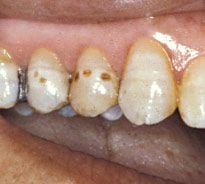
Teeth that are over-exposed to fluoride as they are forming beneath the gum line can develop a condition called enamel fluorosis, which is characterized by a streaked or mottled appearance. Mild fluorosis takes the form of white spots that are hard to see. In more severe cases (which are rare), the discoloration can be darker, with a pitted texture. The condition is not harmful, but may eventually require cosmetic dental treatment. Tooth decay, on the other hand, is harmful to your child’s health and can also be quite painful in severe cases.

The risk for fluorosis ends by the time a child is about 9 and all the permanent teeth have fully formed. Since fluoride use is cumulative, all the sources your child comes in contact with — including powdered infant formula mixed with fluoridated tap water — need to be evaluated. While caution is advised, however, it would be a mistake to forgo the benefits that this important mineral can bring to your child’s teeth — and his or her overall health.

Pregnancy & Your Child’s Developing Teeth

Your baby’s teeth will not be visible at birth. But believe it or not, they already exist beneath the gums. Children’s primary teeth begin forming at about the sixth week of pregnancy, and start mineralizing — building the bonelike inner tooth layer (called dentin) and the super-hard enamel layer that covers it — around the third or fourth month of pregnancy. So if you’re pregnant, it’s not too early to start thinking about how to make sure your child’s teeth are as healthy as possible!

Like everything else having to do with your baby’s physical development before birth, much depends on how well you take care of yourself. Developing teeth need certain nutrients to grow properly; if you don’t get them through your diet, your baby won’t receive them either. Likewise, you’ll have to watch your intake of substances that could harm your teeth in utero, such as certain antibiotics. Here’s a brief summary of what to seek and what to avoid.

Eat Right

Certain nutrients are particularly important for prenatal tooth development:

  • Calcium, a mineral, is the main component of teeth. If there is not enough calcium coming from your diet to support fetal development, your body will actually take this mineral from your bones (but not your teeth) and use it to meet your developing baby’s needs. Good for your baby, not so good for you. The best sources of dietary calcium are dairy foods such as milk, cheese and yogurt. It can also be found in broccoli and kale.
  • Phosphorous, another mineral, also accounts for the hardness of teeth. It is found in every one of the body’s cells, and also in many foods — especially high protein sources such as meat and milk, but also cereals. Of all the nutrients your baby’s teeth need, this is the easiest to get.
  • Vitamin D helps the body absorb and retain calcium and phosphorous. Very few foods contain it naturally — oily fish like salmon and tuna are exceptions; that’s why it is added to milk and some other beverages and foods (check labels to find out which ones). It is also produced in the body naturally when skin is directly exposed to sunlight. Concerns about the negative effects of sun exposure may prevent you from getting all the vitamin D your body requires this way, so you may be advised to take a supplement.
  • Protein is the most plentiful substance in your body after water. It is responsible for building, maintaining and replacing the body’s tissues. Interestingly, it is the action of a single protein that causes calcium-phosphate crystals to form tooth enamel rather than bone. All proteins are made of amino acids, but some amino acids cannot be manufactured by the body and must come from foods. Meats and dairy products are the most protein-rich. It is possible to get all the different proteins your body requires with a vegetarian diet, but you will need to pay closer attention to what combinations of foods will provide all the essential amino acids.

Seek Guidance on Dietary Supplementation & Medications

If you feel your diet is inadequate in some nutrients during your pregnancy, it’s best to seek professional medical advice on what supplements you may need. While it’s unlikely you will ever receive too much of any given nutrient from your diet, you can overdo certain vitamins and minerals in pill form (vitamin D and calcium, for example).

When you know you’re pregnant (or if you may be pregnant), please share the news with all of your healthcare professionals who see you. That way, medications that should not be prescribed will be avoided at this time. For example, if you need antibiotics to combat an infection, some are much safer for developing babies than others. Tetracycline, for example, can permanently stain teeth in utero. Fluoride supplementation at this time is not recommended either, as there are too many unanswered questions about its use during pregnancy.

Dry Mouth

Everybody gets a dry mouth from time to time. Temporary mouth dryness can be brought on by dehydration, stress, or simply the normal reduction in saliva flow at night. But persistent mouth dryness, a condition known as xerostomia, is cause for concern.

Xerostomia occurs when your salivary glands, which normally keep your mouth moist by secreting saliva, are not working properly. A chronic lack of saliva has significant health implications. For one thing, it can be difficult to eat with a dry mouth; tasting, chewing and swallowing may also be affected. This could compromise your nutrition. Also, a dry mouth creates ideal conditions for tooth decay. That’s because saliva plays a very important role in keeping decay-causing oral bacteria in check and neutralizing the acids these bacteria produce; it is the acid in your mouth that erodes tooth enamel and starts the decay process. A dry mouth can also cause bad breath.

Possible Causes

There are several possible causes for xerostomia, including:

  • Medications. For most people suffering from dry mouth, medications are to blame. According to the U.S. Surgeon General, there are more than 500 medications (both prescription and over-the-counter) that have this side effect. Antihistamines (for allergies), diuretics (which drain excess fluid), and antidepressants, are high on the list of medications that cause xerostomia. Chemotherapy drugs can also have this effect.
  • Radiation Therapy. Radiation of the head and neck can damage salivary glands—sometimes permanently. Radiation to treat cancer in other parts of the body will not cause xerostomia.
  • Disease. Some systemic (general body) diseases can cause dry mouth. Sjögren’s syndrome, for example, is an autoimmune disease that causes the body to attack its own moisture-producing glands in the eyes and mouth. Other diseases known to cause dry mouth include diabetes, Parkinson’s disease, cystic fibrosis and AIDS.
  • Nerve Damage. Trauma to the head or neck can damage the nerves involved in the production of saliva.

Getting Relief

If you are taking any medication regularly, it’s possible that your physician can either suggest a substitute or adjust the dosage to relieve your symptoms of dry mouth. If this is not possible or has already been tried, here are some other things you can do:

  • Sip fluids frequently. This is particularly helpful during meals. Make sure what you drink does not contain sugar and isn’t acidic, as these will both increase your risk of tooth decay. All sodas, including diet varieties, should be avoided, as they are acidic and attack the tooth surface.
  • Chew sugarless gum. This will help stimulate saliva flow if your salivary glands are not damaged. Choose a variety that contains xylitol, a natural sugar substitute that can be protective against tooth decay.
  • Avoid drying/irritating foods and beverages. These include toast and crackers, salty and spicy foods, alcohol and caffeinated drinks.
  • Don’t smoke. This can dry out the mouth and also increase your risk of gum disease.
  • Use a humidifier. Running a cool-mist humidifier at night can be soothing.
  • Use saliva stimulants/substitutes. There are prescription and over-the-counter products that can either stimulate saliva or act as a substitute oral fluid. We can give you some recommendations.
  • Practice good oral hygiene. Brush at least twice a day with a fluoride toothpaste; this will remove bacterial plaque and add minerals to strengthen your teeth. Don’t forget to floss.
  • Have an exam/cleaning. If you have dry mouth, it’s more important than ever to maintain your regular schedule of visits to the dental office. Please be sure to let us know what medications you are taking, particularly if there have been any changes recently. We will do our best to help relieve any dry-mouth symptoms you are experiencing.

Fluoride

Fluoride is a mineral that is naturally present to some degree in both fresh and salt water sources. Its major dental benefit is that it is readily incorporated into the teeth’s mineral structure, thereby making them stronger and more decay-resistant. Fluoride can even reverse tiny cavities that are starting to form. Less tooth decay means you have a better chance of avoiding significant dental treatments — and keeping your natural teeth for life.

The great majority of toothpastes sold today contain fluoride, because it’s an effective, easy and inexpensive way to prevent tooth decay and promote oral health. Because of its proven health benefits, fluoride is often added to municipal water supplies to bring them to the current recommended level of 0.70 parts per million. In fact, the federal Centers for Disease Control and Prevention recently named community water fluoridation as one of the most significant public health achievements of the 20th century.

Making Fluoride Available to the Teeth

Fluoride can be delivered to teeth in two ways: topically (on the surface) and systemically (through the body). The first method helps people of all ages; the latter is only beneficial in childhood while the permanent teeth are forming beneath the gum line — up to about age 9.

Fluoride ingested in drinking water can reach teeth both ways. When swallowed, it travels through the body and becomes incorporated into developing teeth; it also stays in the mouth throughout the day in a very low concentration. Toothpaste and mouthwashes provide higher concentrations over shorter periods of time. Fluoride can also be applied directly to the teeth at the dental office; children who get their water from unfluoridated sources may be prescribed a fluoride supplement in the form of pills or drops.

How Much Do You Need?

Tooth Caries Balance.

The amount of fluoride you need varies according to your particular risk for decay, which is determined by many factors: your body’s own biochemistry, your diet, the amount of fluoride you come into contact with daily, and the effort you put into your own oral hygiene. If you maintain an effective daily routine of brushing and flossing, and avoid sugary and/or acidic foods and beverages, your decay risk will likely be low. If you are lax about oral hygiene, drink soda and snack throughout the day, your risk will be much higher.

Poor oral hygiene and constant intake of sweets make an ideal environment for decay-causing bacteria, which need sugar to thrive. In the process of digesting that sugar, they create tooth-eroding acids as a byproduct. And if you drink beverages that are already acidic — soda, sports drinks, energy drinks, even some fruit juices — you are applying those tooth-destroying acids directly to your teeth without using bacteria as a middleman. In that case, you might benefit from fluoride treatments at the dental office and/or regular use of a fluoride mouthrinse.

Fluorosis.However, there is such a thing as too much fluoride — particularly when it comes to children. If developing teeth absorb too much fluoride, they can become permanently stained or even pitted — a condition referred to as enamel fluorosis. It is not dangerous, but may require cosmetic dental work. That’s why young children should not be allowed to swallow fluoride toothpaste. Adults who take in excessive fluoride throughout their lifetimes may become more prone to bone fractures or tenderness, a condition known as skeletal fluorosis. Severe forms of enamel or skeletal fluorosis are not common in the United States. Still, given that excessive doses of fluoride could cause problems, it’s best to consult a dental professional on the most appropriate products for you and your child to use.
Root Canal Treatment FAQs

If you have been told you need root canal treatment, you may be feeling a bit nervous. Not to worry — treating root canal problems is a routine part of dentistry that can relieve certain kinds of tooth pain and help your teeth last longer. As you learn more about this beneficial procedure, you will understand why it’s needed — and how it will leave you in far better shape than you were. Here are some answers to frequently asked questions.

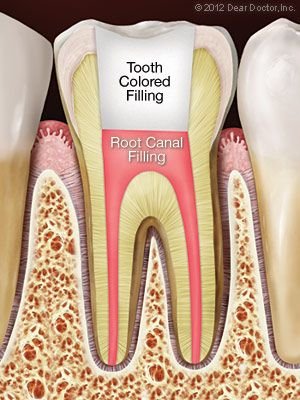
Tooth after root canal treatment.

What is a root canal?

Dentists use the term “root canal” in referring to the tiny, narrow passageways that branch from a central, hollow space in your tooth (called the pulp chamber) down to the ends of the tooth roots. The term can also be used as a shorthand for “root canal treatment” — that is, the procedure used to save the tooth if the soft tissue deep inside of it (called pulp) becomes acutely inflamed or infected.

Why do I need root canal treatment?

If tooth pulp becomes acutely inflamed or infected because of decay or injury, the tissue will need to be removed in order to save the tooth and stop the infection from spreading. As an adult, you don’t actually need the pulp — its primary use is to aid in tooth development during childhood.

Is there an alternative?

You could have the whole tooth extracted, but it’s always better to try to save it — especially since root canal treatment is routine and has a very high success rate (over 90%). Saving the tooth can prevent other troubles from occurring later on; these could include bite problems from teeth shifting position, difficulty eating, and loss of jawbone volume and density.

Is root canal treatment painful?

The procedure normally causes no more discomfort that a filling would. Root canal treatment may have a bad reputation, but it is undeserved; in this case it’s the disease that’s to blame and not the cure. In other words, the infections that make the treatment necessary in the first place are often painful because they are inflaming tissue that has lots of nerves and therefore is very sensitive. Root canal treatment actually relieves this pain!

What will happen during the procedure?

After numbing the area, a tiny hole in the crown (top) of your tooth is made to access the pulp chamber and canals. The diseased tissue is removed, and the pulp chamber and the canal(s) are disinfected all the way to the root end(s). Teeth in the front of the mouth have one root and generally one canal; back teeth have two or three roots and generally three or four canals. Those canals and the pulp chamber are filled with an inert, biocompatible material, and sealed with adhesive cement. The access hole will receive a temporary filling.

What will happen afterwards?

Your tooth may feel sensitive for a few days, but any discomfort can usually be relieved with over-the-counter pain medication or anti-inflammatories like ibuprofen. You will be instructed to avoid chewing on that tooth until it receives its permanent filling, which can be placed a few days later. Depending on how damaged the tooth was to begin with, it may need a full-coverage crown. Those options will be discussed with you.

How can I avoid the need for root canal treatment in the future?

Keep your teeth decay-free by brushing and flossing every day. Eat a healthy diet low in sugar and avoid acidic beverages such as soda. Have regular professional cleanings and exams. And if you’re active in sports, consider ordering a custom-made mouthguard to protect your teeth from injury.

Air Abrasion

In the future, could small cavities be detected early and filled without anesthesia, and with only the minimum removal of tooth material? Will routine dental procedures be performed with patients noticing no vibration or pressure? Will the piercing whine of a dental drill be a sound that’s heard in dental offices no more? The answer may well be yes — in fact, it’s happening right now with air abrasion technology.

The air abrasion instrument is a hand-held tool that dentists use for a variety of purposes. A bit like a mini-sandblaster, it uses compressed air (or another gas) to produce a fine stream of abrasive particles that can be precisely aimed. The small, high-speed particles (often silica or aluminum oxide) remove tiny bits of material in the decayed portion of the tooth; the debris is then whisked away through a suction tube.

Sound futuristic? It is, but it’s not exactly new: Air abrasion instruments were first developed in the 1940’s, but recent advances in high-volume suction and improved dental restoration materials have given the process a renewed appeal. Some of the uses for air abrasion tools include: removing dental caries (cavities) and filling them with composite (tooth-colored) material; preparing teeth for bonding, veneering or other procedures; and removing stains or even repairing small defects in teeth.

How It Works

The tiny abrasive particles (.002” or less in diameter) remove only minute amounts of tooth structure, making a drill seem coarse by comparison. The air pressure, flow rate, nozzle diameter, and other settings on the instrument can be accurately controlled to produce the precise amount of abrasion needed. The result is a minimally-invasive method of removing decayed or unwanted tooth material.

Even though powerful suction is used to remove spent abrasive and debris, it’s still necessary for everyone to wear protective eyewear as a precaution. A rubber dam (shield) is also generally used to keep abrasive particles from affecting other teeth or getting into areas of the mouth where they don’t belong. Nearby teeth and gums can also be coated with a protective resin if needed.

Advantages of Air Abrasion

Because it doesn’t require a whirring drill, air abrasion generates no pressure or vibration, and makes very little noise. It can eliminate the need for anesthesia, especially if the cavity isn’t deep. It reduces the chance of damaging the tooth during a procedure, and it leaves more healthy tooth material behind. This makes it ideal for children, or others who are sensitive to dental discomfort. In fact, it’s perfect for treating tiny cavities that have been detected by laser diagnosis (cavities that aren’t big enough to be seen on an X-ray), and sealing them up before they become bigger problems.

Minimally-invasive procedures are where air abrasion truly shines. Because it’s a relatively fine-scale instrument, it isn’t suitable for treating deep cavities or removing old metal fillings. However, as a high-tech tool for performing many preventive and restorative dental procedures, it offers some unique benefits to both dentist and patient. And some day, it just might make the dental drill obsolete.

Blood Pressure Medications & Your Gums

Before prescribing any medications — even lifesaving ones, such as those used to reduce blood pressure or prevent epileptic seizures — your health care professionals carefully weigh the benefits a drug offers against the possible risks of taking it, including its potential side effects. In most cases, the side effects are relatively slight: for example, drowsiness, an upset stomach, or minor aches. But in some individuals, particular drugs may produce side effects that are more troublesome.

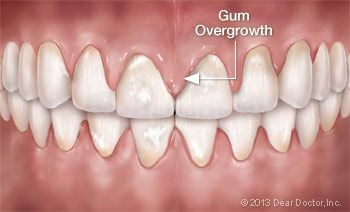
This is sometimes the case with a class of drugs called calcium channel blockers (CCBs), which are commonly used to treat high blood pressure (hypertension) and certain other heart conditions. Some people who take these medications experience a condition called gingival hyperplasia, or an overgrowth of gum tissue. This effect has also been seen in some epileptics who take an anti-seizure medication called phenytoin.

Possible Side Effects

CCBs work by dilating (widening) the blood vessels, which makes it easier for the heart to pump blood. But in a small percentage of people, they also cause changes in the gums. Gum tissue may become thick and lumpy, and it may sometimes extend abnormally and start to cover the teeth. This change in appearance can cause social embarrassment, as well as discomfort and difficulty in chewing.

The overgrowth of gum tissue also makes it difficult or impossible to clean the spaces between teeth. This can cause a rapid deterioration in oral hygiene that may lead to full-blown gum disease if not treated promptly. And since poor oral hygiene is itself a contributing factor in gum overgrowth, the condition can easily spiral out of control.

In addition, some CCBs also reduce saliva flow. This may not only cause the mouth to feel dry, but may also severely reduce saliva’s protective effects on the teeth and gums.

What To Do About Gum Overgrowth

Gum Overgrowth.It’s always a good idea to tell your health care providers about any side effects you may be experiencing as soon as you notice them. However, even though gum tissue overgrowth may be a worrisome issue, it doesn’t mean you should stop taking your blood pressure medication! There are several options for controlling this condition, which should be discussed with all members of your medical team.
With your doctor’s consent, it may be possible for you to change your dosage or switch to a different blood pressure medication that produces fewer side effects. It can take a few months for your gums to return to normal after the change, while you are maintaining good oral hygiene at home. But even if it’s not possible for you to change your medication, there are a number of in-office treatments that can be used to help alleviate the problem.

Non-surgical treatments like scaling and root planing (a type of deep cleaning) are sometimes the first step to controlling gum overgrowth. These relatively minor procedures can dramatically improve your overall oral hygiene. If necessary, they may be followed by surgical treatments to remove overgrown tissue and eliminate periodontitis — a serious condition which, if left untreated, could result in tooth loss.

In addition to regular dental cleanings, you will need to be extra vigilant at home: proper brushing technique and the use of interdental cleaners (such as floss) are needed to clean the spaces between teeth is a must. Your progress will be monitored at follow-up dental visits as needed.

While gum tissue overgrowth may seem a daunting problem, experience has shown that it can be successfully controlled by initial periodontal therapy, good at-home care, and frequent follow-up visits. Meanwhile, you should continue to follow all of your doctors’ recommendations for maintaining a healthy blood pressure.

Stress & Oral Habits

Teeth grinding and clenching are common habits, but that doesn’t mean they are harmless. Stresses from the powerful forces generated by grinding and clenching (also known as “bruxing”) can wear down teeth or even loosen them. Teeth that have enamel worn away or scraped off from this repeated rubbing action may become sensitive to hot or cold. And dental work such as crowns and fillings may get damaged. Bruxism can also lead to jaw pain and/or headaches.

Even if you have experienced some of these signs and symptoms, you may not realize you are a bruxer — particularly if your habit is nocturnal, as is often the case. Yet the evidence of tooth damage may become obvious during your regular checkup and cleaning. Dentists can also help you break the habit, relieve any pain you are experiencing, and repair any damage to your teeth or dental work.

Why do we grind or clench our teeth?

The most common reason for grinding/clenching habits is stress, which can affect our health in various ways. Some people experience stomach pain or skin breakouts; bruxing is yet another manifestation. Sometimes people grind their teeth because of misaligned teeth or other bite problems. Using stimulating substances such as caffeine, alcohol, tobacco and illegal drugs can also put you at risk. Additionally, teeth grinding is believed to be an uncommon side effect of certain medications.

What can be done?

Sometimes simply becoming aware of the habit can help you to get it under control. If stress is the issue, try to find healthy ways of managing it: exercise, meditation, listening to relaxing music, or a warm bath may help. Your teeth will be monitored over time at the dental office to make sure the problem is not worsening.

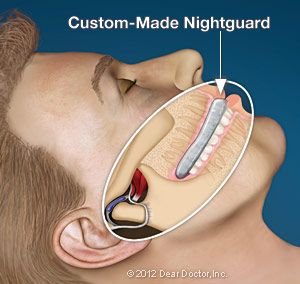
Custom nightguard.If damage to your teeth or existing dental work is evident, we may recommend a custom-made nightguard, also known as an “occlusal guard,” may be recommended. It resembles an athletic mouthguard. Made of comfortable plastic, the guard is worn at night to keep your teeth from actually contacting each other. It also helps protect your jaw joints from excessive force.

If a bite problem exists where some teeth are hitting before the others (all of your teeth should hit at the same time), it can sometimes be treated by removing a tiny bit of enamel from an individual tooth that is sticking up a bit (and therefore receiving too much force) to bring it in line with the others. This is known as a bite adjustment. If your malocclusion (bad bite) is more serious, orthodontics might be recommended. Replacing any teeth that are missing can also help stabilize your bite by inhibiting the shifting of teeth that occurs when extra space is left open by missing teeth.

A word about kids: Teeth grinding is very common in children, especially when they are shedding their baby teeth. Since they often outgrow it, treatment is not usually recommended.

Mouthguards for Adults

Today most adults recognize that leading a healthy, active lifestyle is a big plus. Moderate exercise has been shown to help lower blood pressure, keep cholesterol levels under control, and even reduce feelings of anxiety or depression. To stay active, some 150 million adults in the United States get involved in sports or physical recreation every year. And every year, some of those active folks wind up being treated for sports-related dental injuries.

Who is apt to suffer this kind of injury? Men are more likely than women, but only by a few percentage points. For both sexes, the injury rate falls off rapidly after the teen years — although older athletes tend to have more severe problems. But if you thought that contact sports like football and hockey produced the greatest number of injuries…then it’s time to think again: Adult males are far more likely to be injured playing basketball!

Baseball, bicycling, handball, skiing, surfing and equestrian sports — plus some two dozen others — are activities that the American Dental Association (ADA) has identified as potential causes of dental injury in adults.

Don’t get us wrong: There’s no question that the benefits of physical activity far outweigh the possibility of being hurt. But when serious dental injury occurs, it can result in pain, time taken away from work or the family, and high treatment costs — which often aren’t covered by insurance. If you had a piece of equipment, endorsed by the ADA, which could reduce the risk of sports-related dental injury by 60 times… would you use it?

An Indispensable Part of Your Sports Gear: The Mouthguard

Athletic mouthguards.

A high-quality, custom-made mouthguard should be part of every athlete’s equipment. What’s a mouthguard? It’s a small protective device that fits over your teeth and absorbs the force of an impact, helping to protect the mouth from damage. There are different kinds of mouthguards, available from various sources. They include:

  • “Off-the shelf” types. Found in some sports retailers and big-box stores, these inexpensive guards come in S-M-L sizes, and are generally worn by clenching them between the teeth. They are probably better than nothing, if you don’t mind wearing them—but they can be uncomfortable, and are of uncertain quality.
  • “Boil and bite” guards. This type of mouthguard is meant to be softened by heat, and then molded into shape by fingers, teeth and tongue. It’s a better choice than the first kind, but there can be wide variation in how much mouth coverage these guards provide—and in their effectiveness.
  • The custom-fabricated mouthguard. This is the one that’s made just for you: First a model of your teeth is prepared, and then is individually fabricated into a piece of protective gear for a perfect fit. It’s strong, lightweight and comfortable — which means you can wear it comfortably. Because, after all, if you don’t wear it, it doesn’t help.

Custom-made mouthguards are an indispensable piece of equipment — especially when they could save you the inconvenience (and potentially much higher cost) of restoring or replacing teeth. So if you’re the active type, consider having a custom mouthguard made for you. It’s the best way to prevent a dental injury from spoiling your game.

Oral Diagnosis and Biopsies

When you come into the dental office for an examination, you might assume that the focus is on your teeth. That’s often correct — but don’t forget that there are a number of other parts of the oral and facial anatomy that are examined as well. These include areas around and inside the mouth (such as the lips, gums, hard and soft palate, and the tongue) as well as outside the mouth (the skin, muscles and glands in the neck, and the temporomandibular joint). In fact, when it comes to detecting certain oral or systemic (whole-body) diseases, a thorough dental exam may be your first line of defense.

How are diseases in the mouth discovered? Most of the time, it’s simple: You will be asked about any changes you have noticed, or symptoms you may be experiencing. Your face, mouth, and neck will then be visually inspected, and certain areas may be palpated (gently touched or pressed with fingers) or probed (touched with a small instrument). If needed, additional tests or diagnostic imaging (X-rays or other methods) may be used to aid in diagnosis.

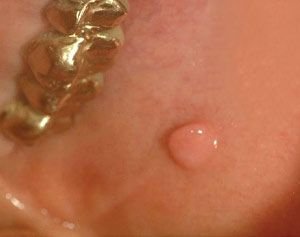
Occasionally, an abnormality such as a lesion (an unusual localized change in your tissues) is found that needs to be examined further. Lesions may resemble white or red spots or lumps (tumors), but they are typically benign. However, it is often better to err on the side of caution and perform a biopsy to be sure. This may involve making a small incision and removing a part of the suspicious area. The tissue sample will be sent to a pathologist, who examines it under a microscope for signs of disease.

Some Oral Diseases To Look For

Oral diagnosis and biopsies.Oral cancer is perhaps the most significant disease to look for in an examination — both because it can be life-threatening, and because early detection is proven to increase the survival rate. But it’s important to remember that a large majority of unusual growths are found to be benign. Some other oral diseases that may be screened for include:

  • Fibroma, a thickened mass that may feel like a lump in the lining of the mouth.
  • Leukoplakia, a condition that causes white patches to form inside the mouth. While usually benign, the lesions may be precancerous and are often biopsied.
  • Lichen Planus, an inflammatory disease that sometimes causes discomfort.
  • Mucous Membrane Pemphigoid, an autoimmune disease that may cause oral lesions, but is not life threatening.
  • “Pregnancy Tumors,” benign red swellings that may form on gum tissue of pregnant women due to hormonal changes.

In addition, some systemic diseases (such as diabetes, Crohn’s disease, and heart disease) may produce effects that can be observed in the mouth. We are always on the lookout for signs of these potentially serious conditions.

When a Biopsy Is Needed

Although the majority of oral lesions are benign, if there is any possibility that the growth could be cancerous or pre-cancerous, it’s likely that a biopsy will be performed. Depending on how much tissue needs to be removed, this may be a simple in-office procedure, or it may be done in a hospital setting. Typically, the procedure requires only local anesthesia, and it doesn’t take long. If incisions are made, they are often closed with self-dissolving sutures (stitches) that don’t need to be removed.

Because the oral tissues are rich in blood vessels, some bleeding is normal for a period of time afterward. You will be given follow-up instructions as needed, including how to manage swelling and discomfort, when to take medication, and what to eat and drink. Getting some rest and maintaining good oral hygiene will also help you get back to normal as quickly as possible. When the pathology report is complete (usually in a few days), you will be given the results.