Author: Service Lifter

Crowns & Bridgework

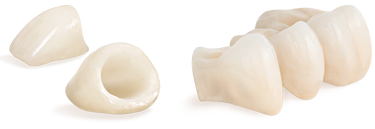
Dental Crowns and Bridgework.Dentistry is an art as well as a science; dental crowns offer a perfect example of this. A dental crown or “cap” is a covering that fits over a damaged, decayed or unattractive tooth. It can even replace a tooth entirely as part of dental bridgework.

A crown completely covers a tooth above the gum line. This is in contrast to a dental veneer, which only covers a tooth’s front surface and needs natural tooth structure to support it. Therefore, if a tooth is missing a significant amount of structure above the gum line, a crown would be the restoration of choice.

Crowns strengthen damaged teeth, allowing them to function normally again. When crafted from today’s high-tech porcelains (dental ceramics), crowns are virtually indistinguishable from natural teeth. They can even be designed to improve upon a tooth’s original appearance.

There are other materials besides porcelain that we can use to make dental crowns, depending on what qualities are most important. For durability, cast gold can’t be beat. However, this is not always the most aesthetic choice — especially towards the front of the mouth. Other possibilities include porcelain-fused-to-metal crowns (PFM), which have a metal interior for strength and a porcelain exterior for a more natural appearance, and all-porcelain crowns with zirconia, representing the strongest ceramic. We would be happy to discuss the pros and cons of these various options with you.

Crowning a Capped Tooth

Crowning or Capping a Tooth

Crowning or capping a tooth will usually take two to three visits. At the first visit, your tooth is prepared to receive its new crown. First, it is shaped to fit inside the new covering. This will involve some drilling to give the tooth a uniform shape. The tooth and the surrounding area will be numbed beforehand. If there is very little tooth structure left to begin with, the tooth may have to be built up with filling material, rather than filed down, to support the crown.

After the tooth is prepared, impressions of your teeth are taken, either digitally or with reliable, putty-like impression materials, and sent to the dental laboratory. There, the impressions will be used to make models of your teeth for the creation of a crown. The models will serve as guides to the highly skilled lab technicians, who will ensure that your new crown is designed to enhance your smile and function well within your bite.

Before you leave the office, a temporary crown will be attached to your tooth to protect it until the permanent crown is ready. At the second visit, your permanent crown will be attached to your tooth with either aresin that hardens when exposed to a special light source, or a type of permanent cement.

Creating a Bridge

Crowns can also be used to create a lifelike replacement for a missing tooth. This is done with bridgework, which spans the space of the missing tooth and requires at least three crowns. Two of those crowns will be placed over healthy teeth on either side of the missing tooth; these healthy teeth are referred to as abutment teeth. The two crowned abutment teeth become supports for a third crown placed in between them; that third crown is referred to as a pontic. If more than one tooth is missing, more crowns will be needed to bridge the gap in between the abutment teeth.

The number of abutment teeth necessary to replace missing teeth is influenced by the number of missing teeth, the size and length of the abutment tooth roots, the amount of bone support each abutment tooth has, as well as where in the mouth the missing tooth is located. For example, if you have three missing teeth, four abutment teeth may be necessary, thereby creating a seven-tooth bridge. Engineering and designing of the bridge requires an understanding of how to replace teeth, as well as the biology of the supporting gum and bone tissue.

Caring for Your Crowns & Bridgework

Crowns and bridgework require the same conscientious care as your natural teeth. Be sure to brush and floss between all of your teeth — restored and natural — every day to reduce the buildup of dental plaque. When you have crowns, it is even more important to maintain your regular schedule of cleanings at the dental office. Avoid using your teeth as tools (to open packages, for example). If you have a grinding habit, wearing a nightguard would be a good idea to protect your teeth and your investment.


Traumatic Dental Injuries

Traumatic dental injuries can occur in people of all ages and activity levels. The cause might be a car accident, a fall down the stairs, or an elbow to the face during a basketball game. As with most types of dental treatment, the primary goal when treating a traumatic dental injury is to save teeth at risk of being lost, and restore them to full function and normal appearance. In many cases, the difference between saving and losing a tooth depends on taking the proper action in the immediate aftermath of an injury. Here are some guidelines on how to prevent sports-related dental injuries and what to do after a dental injury occurs.

Sports-Related Dental Injuries

Americans of all ages love playing sports — so much so that participation in high school sports has been increasing for 24 consecutive years, according to one survey. Yet to gain the very real benefits that sports offer, it’s necessary to accept — and prepare for — the risk of injury.

Athletic mouthguards video

Dental trauma accounts for a significant portion of all sports injuries, yet so many of these injuries are preventable. How? With a high-quality mouthguard. When you consider that the lifetime cost of replacing a permanent tooth has been estimated to exceed $20,000, a good mouthguard is one of the best investments you can make in sports equipment: It has been shown to reduce the risk of sports-related dental injury by 60 times.

The best kind of mouthguard is one that comes from your dentist’s office. It’s custom-made from a model of your own teeth, so it’s strong, lightweight, and perfectly fitted. If you (or your child) are active in sports, ask about this indispensable piece of safety gear. And continue reading below to find out what to do in the case of specific types of dental injuries.

Chipped or Broken Teeth

Chipped or Broken Teeth

Chipped teeth are the most common dental injury, according to the American Association of Endodontists. If teeth have been chipped or fractured, or if they are loose or tender to the touch, make sure to see a dentist within 12 hours. Try to locate any pieces of the tooth that have come off, as it may be possible to reattach them to the crown with tooth-colored bonding material.

Knocked-Out Teeth

Knocked Out Teeth

If a permanent tooth has been knocked out of its socket (avulsed), immediate attention is required. First, recover the tooth — and if it’s dirty, gently clean it off with water. Try not to touch the root portion of the tooth. Next, if possible, place the tooth back into its socket (making sure it is in the proper orientation), and apply gentle, sustained pressure to the area for five minutes. You can use a wad of wet tissue or gauze to help grasp and hold the tooth in place. Get emergency dental treatment as soon as possible afterward, and be sure to check whether a tetanus shot or booster is needed.

If it isn’t possible to replant the tooth, have the patient hold it between his teeth and cheek, or place it into a plastic bag with the patient’s saliva, or into a cup of cold milk. Control bleeding from the tooth socket by applying pressure to the area (use gauze if possible), and get the patient and the tooth to an emergency treatment center as soon as possible. Primary (baby) teeth, however, don’t usually need to be replanted.

Partially Displaced Teeth

If teeth are driven into or pushed partially out of the jaw, or if they are out of alignment, the patient should see a dentist or oral surgeon within six hours of the accident. A careful examination of the mouth (plus x-rays if needed) should reveal the extent of the damage, and indicate what restorative treatments are likely to be required.

Soft-Tissue Injuries

In addition to the teeth, dental injuries often involve damage to the gums, the tongue, and the inside of the mouth. When these soft-tissue injuries occur, it’s best to take the following immediate actions, and then see a dentist as soon as possible: Wash and rinse the area with soap and water if possible, or remove debris and foreign material by hand. Bleeding can usually be controlled by applying direct, gentle pressure to gauze pads placed on the wound. If it can’t be controlled after about 10 minutes, go to an emergency room.

Don’t hesitate to call the dental office for more specific information about handling a traumatic dental injury.

Aging & Dental Health

Today, Americans are not only living longer — we’re also retaining our natural teeth longer than ever before. But this rosy picture isn’t free of thorns: Older adults tend to require increasingly complex dental treatments; are often more prone to contracting certain diseases; and sometimes find it challenging to keep up with daily oral health practices.

Yet maintaining good oral hygiene is critically important as we age. When problems occur in the mouth, they can cause difficulty chewing, swallowing, speaking and smiling — basic functions which can affect both physical and social well-being. It’s possible that medications prescribed for other diseases can adversely affect a person’s oral health; it’s also possible that a decline in oral health can worsen existing maladies (such as diabetes), or even cause systemic (whole-body) inflammation. What other special dental issues do older people face — and what can be done about them?

Dental Concerns for Older Adults

If you think cavities are just for kids — think again! A recent study found that nearly one-third of people over 65 had untreated dental caries (cavities). In older people, these are found not only in the crown (chewing surface) of the tooth, but also in the root, which may become exposed due to gum recession. Regular dental checkups are the best way to find and treat dental caries; left untreated, they can cause pain, require more complex procedures, and eventually lead to lost teeth.

Gum disease is another major oral health issue faced by older people — and it’s presently the leading cause of tooth loss in adults. The disease is caused by plaque bacteria, which thrive on the sticky biofilm that clings to the surface of teeth when they aren’t properly cleaned. Poor-fitting dentures can make the problem worse, as can the presence of certain diseases (such as diabetes or cancer).

Sometimes, decreased mobility (due to arthritis or similar conditions) makes routine brushing and flossing more difficult. Special brushes with larger grips and floss holders can help make daily cleaning easier; additionally, therapeutic mouthrinses may be prescribed. In-office treatments can also be effective in bringing gum disease under control.

Blythe Danner Oral Cancer Video.

Oral cancer is a concern at any age, but it’s 7 times more likely to show up in a person over 65 — and it causes more deaths in older Americans than skin cancer does. Early detection offers the best chance at controlling the disease, and improves survival rates significantly. A thorough screening for oral cancer should be a part of every older person’s routine dental checkup.

Dry mouth (xerostomia) isn’t just an annoyance — it can be harmful to your oral health. Aside from its lubricating qualities, saliva contains beneficial digestive enzymes, acid neutralizers, and bacteria-fighting agents. A number of factors may cause the body to produce less saliva than normal — but in older adults, this problem is often due to side effects from prescription or over-the-counter medications. If you’re experiencing chronic dryness of the mouth, it’s sometimes possible to change your medication, and/or use products designed to relieve these symptoms.

Oral Hygiene For Life

It was once commonly believed that dental problems and the loss of teeth were an inevitable consequence of aging. But here’s the fact: Age itself isn’t a risk factor for tooth loss; properly cared for, your teeth can last a lifetime. However, it’s true that the mouth does change as you age. How can you give yourself the best chance of keeping your natural teeth? You guessed it: Maintain a regular practice of good oral hygiene!

Brush twice a day with a soft-bristled toothbrush — use one with a special grip, or an electric brush, if it helps. Clean in between your teeth with floss, or another type of interdental cleaner, at least once a day. If you wear dentures, regularly clean and care for them as instructed. Eat healthy foods and drink plenty of water. And don’t forget to have regular dental exams so that little problems don’t turn into major headaches!

Bad Breath

Bad Breath, or halitosis, is an embarrassing problem that affects millions. To combat it, many people use breath mints, chewing gum, sprays and mouthwashes. In fact, Americans spend billions of dollars each year on these products — even though they offer only a temporary fix. Getting rid of persistent foul odors on the breath in a lasting way requires a little detective work on the part of dental professionals.

Bad breath can affect anyone temporarily — think of “morning breath,” or the way your mouth smells after eating onions or drinking coffee. Some people, however, exhale noticeably unpleasant odors throughout the day, every day. That’s when it is important to find the cause of the problem, so a lasting solution can be achieved.

Causes

Bad Breath SignsMost often, bad breath originates in the mouth, from trapped food particles that are then processed by oral bacteria. The most common location for mouth-related bad breath is the back of the tongue, where large quantities of naturally occurring bacteria can thrive on food remnants, dead skin cells and post-nasal drip (mucus coming down your throat from the nose). The waste products of these bacteria include volatile sulfur compounds (VSCs), which have a smell resembling rotten eggs. Other places where bacteria and food particles can be trapped are between the teeth, beneath the gums, and in oral appliances or dentures. Poor oral hygiene sets the stage for these problems, as well as for tooth decay and gum disease, which can also cause foul odors.

It’s possible for other health conditions and habits to affect your breath. Halitosis may occur in people who have a sinus or bronchial infection, an oral yeast infection (which can be caused by antibiotic use), or even a systemic (general body) disease such as diabetes, kidney failure or a liver malfunction. A chronically dry mouth (xerostomia), which is often a side effect of certain medications, and tobacco use can also contribute to this problem. Even stress, dieting and hormonal changes can affect your breath.

How Dentistry Can Help

Since bad breath most often originates in the mouth, the dental office is the best place to start in your quest for consistently better-smelling breath. After a thorough examination, any of the following might be recommended:

  • Oral hygiene instruction. It might be that you could benefit from a demonstration of how to brush and floss more effectively, or how to better clean your dentures. You can also be instructed on how to use a tongue scraper to clean the back of your tongue if necessary.
  • Professional dental cleaning. Food particles, bacteria and calcified deposits can become trapped where you can’t reach them — but special dental instruments can. Regular professional cleanings are a great way to promote good oral health in general and good-smelling breath in particular.
  • Treatment of tooth decay. Bad breath may be caused by large, open cavities that need to be filled, or old, defective fillings that need to be repaired.
  • Treatment of gum disease. More advanced forms of gum disease cause the gums to separate from the teeth, forming pockets in which bacteria can thrive. If you have gum disease, you may need periodontal (gum) therapy, which can include a deep cleaning of the roots of your teeth, antibiotics, and, in advanced cases, periodontal surgery.
  • Treatment of infection. Infection that doesn’t originate in your mouth needs to be treated by the appropriate medical professional. Whatever the cause of your bad breath, we are here to make sure you get the treatment you need.

Oral Cancer


Cancer is a scary word, but the more you know about it, the better able you will be to protect yourself and the ones you love. This is particularly true of oral cancer, which is very treatable if caught early. Unfortunately, about two-thirds of oral cancers are not caught until the late stages. You may think that if you are a non-smoker, particularly a young one, this topic is not of concern to you. If so, please think again.

While most oral cancer patients are smokers, the fastest-growing segment of newly diagnosed cases is young, non-smoking adults. The culprit is a particular strain of the Human Papilloma Virus (HPV). HPV is the most common sexually transmitted disease in the U.S., with about 20 million Americans infected. In fact, it is estimated that at least half of all sexually active people will contract it during their lives. Most strains (and there are over 100) lead to symptoms no more serious than warts, and in many cases a person’s own immune system can rid the body of the disease within two years. The strain known as HPV16, unfortunately, is different. By inserting its own DNA into human cells, the virus can cause a mutation that turns normal cells into malignant ones. You may already be aware that HPV16 has been linked to cervical cancer. We now know it is also responsible for many new cases of oral cancer.

Signs & Symptoms

Oral Cancer SymptomsMost of the lumps, bumps, and occasional sores you find in and around your mouth are completely harmless. But you should look out for changes such as white or red patches, ulcers and lumps anywhere in and around your face and neck that persist for more than a couple of weeks. A persistent sore throat or hoarseness is also cause for concern. Most oral cancers are “squamous” (scale-shaped) cell carcinomas. The sides of the tongue are the most common sites for these small lesions. Because the tongue has a rich blood supply and a direct connection to the lymphatic system (a part of our immune system), it’s a site from which cancer can easily spread. The floor of the mouth under the tongue is the second most common site. Cancerous lesions on the lower lip, which are usually preceded by chronic sun exposure, are not uncommon.

Diagnosis & Treatment

Regular screening for oral cancer is one of the most important services provided to you at the dental office. Your regular dental checkup includes a visual and tactile (touch) examination for any signs of oral cancer or precancerous lesions in and around your mouth and throat. Anything that looks suspicious, may be analyzed with a routine procedure called a biopsy, in which a small amount of the suspicious tissue is sent to a laboratory for microscopic inspection. This is the best way to get a definitive diagnosis. Should the lesion turn out to be cancerous, the rest of the malignant tissue will be removed. It’s possible that radiation and/or chemotherapy will be needed to eradicate the disease. As mentioned before, when treatment occurs early, the survival rates are excellent.

Prevention

There are lifestyle choices you can make to reduce your risk considerably. Giving up tobacco in all forms, along with alcohol are big ones. Avoiding risky sexual behavior is also important. Protect yourself from overexposure to the sun, and eat a healthy diet. Research has consistently found that a high intake of fruits and vegetables is protective against oral and throat cancer; a good diet will also bolster your immune system. And please remember to schedule regular checkups here at the dental office. An oral cancer screening takes just a few minutes, but it could save your life.

Preventive Dentistry

You’ve no doubt heard it said that an ounce of prevention is worth a pound of cure. In dentistry, you might say it’s worth two pounds. Maybe even thousands of dollars. That’s because dental problems can become exponentially more expensive — and painful — the longer they go unaddressed. Fortunately, modern dentistry has many easy and relatively inexpensive ways to make sure that today’s minor annoyance does not turn into tomorrow’s major headache.

Preventive dentistry describes all the procedures used to arrest tooth decay and other diseases in the earliest stages. The goal is to keep you as healthy as possible and maintain your natural teeth for life.

Preventive Dentistry Procedures

Preventive dentistry procedures range from the most basic services that have been used successfully for decades, to recent technological innovations. These procedures include:

  • Cleanings. This is where dental health starts. There’s just no substitute for physically removing disease-causing dental plaque and calculus (tartar) from your teeth — especially in hard-to-reach areas near the gum line. That’s why regular professional cleanings are so important to your health.
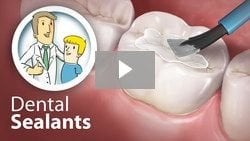
  • Dental sealants videoDental Sealants. These invisible plastic coatings fill the tiny grooves in back teeth so they do not become havens for bacteria. They prevent cavities from forming and the need for fillings later on.
  • Fluoride. This mineral is readily incorporated into the teeth’s mineral structure, thereby making them stronger and more decay-resistant. Fluoride can even reverse tiny cavities that are starting to form. If you are not getting enough from your toothpaste and drinking water, it can be applied directly to your teeth at the dental office.
  • Laser Decay Diagnosis. Laser light can be used to detect early tooth decay quickly and easily, right in the dental office — before full-blown cavities form.
  • Mouthguards. Athletic mouthguards are designed to absorb and distribute the forces of impact and minimize traumatic injury to both the hard and soft tissues of the mouth. In fact, an athlete is 60 times more likely to suffer harm to teeth when not wearing a mouthguard. The best ones are custom-made for you by your dentist
  • Oral Cancer video
  • Oral Cancer Screenings. Your best chance of surviving oral cancer — a disease that affects not only lifelong smokers but also young non-smokers — is early detection and treatment. Oral cancer screenings are a routine part of every regular dental exam.
  • Salivary Diagnostics. This is an exciting new development in the field of preventive dentistry. While it is in its infancy, it is already possible to detect the presence of certain diseases with a salvia test, and the technology is developing rapidly.
  • X-Rays. For around a century, dentists have been using x-rays to reveal signs of disease not visible to the naked eye. Now, with CAT scans, they have become three-dimensional and are an indispensable tool to diagnose tooth decay, gum disease, bone density, bone volume and tumors.

Your Role in Preventing Dental Disease

There’s one more extremely important component of preventive dentistry: you. The procedures mentioned above can only be effective if you come in to the dental office to take advantage of them. Likewise, the importance of maintaining a good oral hygiene routine at home cannot be overstated. Daily effective brushing and flossing will go a long way toward removing the dental plaque responsible for dental disease, tooth loss, and the need for more complex dental treatment.

Tips to Prevent Cavities

Cavities are little holes in teeth that can eventually cause big problems. They form when tooth-eroding acid attacks a tooth’s protective outer covering (enamel). This acid mainly comes from two sources: your diet, and certain oral bacteria that thrive in the absence of effective oral hygiene. If cavities are not treated promptly, decay-causing bacteria can get further into the tooth, leading eventually to root-canal problems and even tooth loss. The good news is that cavities are completely preventable — meaning it is truly possible to keep all of your natural teeth for life! Here are our top three tips to keep decay away:

Brush & Floss Every Day

How to Brush Your Teeth

Cavity prevention starts with a good oral hygiene routine. This will remove dental plaque — a sticky film that harbors food particles and harmful bacteria. Flossing is particularly important because a toothbrush can’t reach in between the teeth the way floss can. Make sure to floss both sides of every tooth, including the back molars, at least once each day. Brush your teeth at least twice each day, using a toothpaste that contains fluoride — a mineral that can become part of your tooth enamel and actually repair tiny cavities that are starting to form.

Pay Attention to Your Diet

Certain foods and beverages are no friends to your teeth, and soda tops the list. Soda, sports drinks, and so-called “energy drinks” are all acidic — even the sugar-free varieties. The acids they contain attack tooth enamel and make your teeth more prone to decay. Fruit juices can also be very acidic. Drinking water is much better for your dental health, not only because it has a completely neutral pH (is non-acidic), but also because it helps replenish your saliva — which has natural cavity-fighting properties. Sugary and starchy foods (cookies, candy, donuts, and chips) are also a problem — especially when they are not promptly cleaned from your mouth. They nourish the oral bacteria that cause cavities and raise the acidity level in your mouth.

See Your Dentist Regularly

Routine professional cleanings and exams are a great way to maintain excellent oral health. Your dental hygienist can clean areas of your mouth that you can’t reach with your toothbrush or even with floss. We can check for early signs of tooth decay and take prompt action. What’s more, we can recommend specific preventive treatments if you are particularly prone to cavities. These include in-office fluoride treatments and dental sealants, both of which are quick, easy and effective procedures. Special mouthrinses might also be recommended. Working together, we can make sure your oral hygiene routine is all it should be and that decay is kept at bay.

Sinus Surgery

If you want to replace a missing or failing tooth with a state-of-the-art dental implant (watch dental implant video), your dentist will first need to make sure that you have sufficient bone in your jaw to anchor the implant. This is true no matter what type of tooth is being replaced. However, if it is an upper back tooth and there is not enough bone under the gum where the implant needs to go, the base of the implant could end up poking through an air space (located to the side of the nose) called a sinus cavity. Since you can’t anchor a dental implant to air, this presents a problem — but it is one that can often be solved with a minor in-office surgical procedure called a “sinus membrane lift.”

Sinus SurgeryA sinus membrane lift, or sinus augmentation, involves adding bone to fill in the bottom of that air space, essentially raising the floor of the sinus cavity. Why wouldn’t there be enough bone there already? For some people, it’s simply a matter of how large their sinus cavities are, and their shape. In other cases, bone has actually been lost from the area. For example, if your tooth has been missing a long time, the bone that used to surround it may have begun to deteriorate. Bone in general needs stimulation to stay strong; in the case of the jawbone, that stimulation comes from the teeth. When teeth are lost, the bone loses stimulation and the body ceases to make new bone cells in that area. This leads to a reduction in bone volume and density. Also, if your tooth loss was due to periodontal (gum) disease, your tooth-supporting bone may have been reduced as a result of the disease. No matter what the reason is for insufficient bone, a sinus membrane lift can create more bone where it is needed.

Where does this additional bone come from? It can be bone from elsewhere in your body, such as another part of your jaw or your hip. But most often, it will be bone-grafting materials that are processed in a laboratory for these kinds of purposes. The original source may have been a human or animal donor (usually a cow). Synthetic products can also be used. All grafting materials must be approved by the Food and Drug Administration (FDA) and prepared according to their guidelines. The materials are specially treated to render them completely sterile, non-contagious, and free of rejection factors. For the most part, bone grafts act as scaffolds that the body will eventually replace with its own bone.

The Procedure

Prior to scheduling surgery, your dentist will assess the shape, location, and health of the sinus using x-ray imaging. Your options for anesthesia will also be discussed. The surgery itself is usually carried out under local anesthesia by numbing the area, just as is done for a routine filling. Some people require additional sedation or anti-anxiety medication, which can either be administered orally (by mouth) or by intravenously (through a vein) via injection.

When the area has been completely numbed, an incision will be made in your gum to expose the bone that used to contain your missing tooth or teeth. A small opening will be made in the bone to reveal the membrane that lines the sinus. This membrane will be raised and the space beneath it will be filled with bone grafting material. The gum is then stitched back up. In some cases, the implant(s) can be placed directly into the grafting material before the gum is closed, eliminating the need for a second surgical procedure later on to place the implant. Often, however, the surgical site is allowed to heal for approximately 6-7 months before an implant is placed.

What to Expect After Sinus Surgery

You may experience moderate swelling and some minor discomfort that generally lasts a few days — about the same as having an upper impacted wisdom tooth removed. Sometimes a non-steroidal anti-inflammatory medication (prescription or over-the-counter) is recommended to help minimize this. A course of antibiotics may be prescribed to prevent infection. If the sinus membrane becomes a bit inflamed, leading to a feeling of minor congestion, a decongestant can be helpful. If you suffer from seasonal allergies, make sure to schedule your surgery for a time when this will not be an issue.

Orthodontic FAQs

What do orthodontists do?

Orthodontists are dental specialists who diagnose and treat problems with the position, alignment or spacing of the teeth, and related irregularities in the face and the jaw. A number of special treatments, including braces and other oral appliances, are used to correct these problems.

Why should I (or my loved ones) get orthodontic treatment?

The magic of orthodontics video

There are two good reasons: aesthetics and function. Having an attractive smile not only changes the way people see you — it enhances your own self-image as well. Orthodontic treatment also allows your teeth to function better and makes it easier to keep them clean, which can improve your overall health.

When should orthodontic treatment be started?

You’re never too old to begin orthodontic treatment — but if you start at an earlier age, your problems may be easier to treat. The American Association of Orthodontists recommends that a child who may need orthodontic treatment should come in for a first visit around age 7.

How can I recognize a potential bite problem?

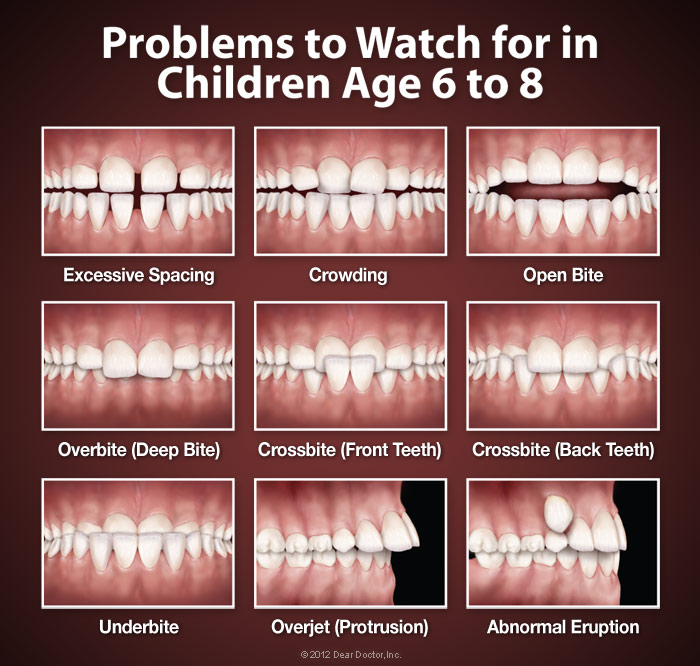
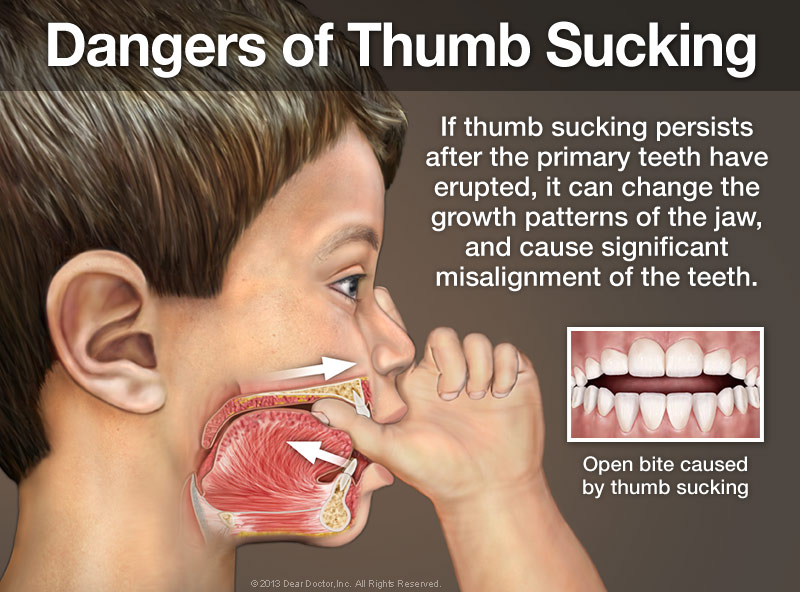
Teeth that are protruding, crowded together or erupting out of position are clear indications that treatment is needed (View Examples). Less obvious signs are mouth breathing, frequent biting of the cheek or palate, speech difficulties, and thumb sucking that goes past 3-4 years of age. If teeth don’t meet properly when the mouth closes, or if jaws make sounds or shift as they move, this may also indicate an orthodontic problem.

Does getting braces hurt? What about wearing them?

Having braces put on is generally painless. Some people experience minor aches and pains in the first couple of days or so, as they adjust to wearing their appliances; periodic adjustments may sometimes cause soreness as well, though it typically lasts only a short time. Over-the-counter pain relievers can be used to alleviate any discomfort, but are usually unnecessary.

How long will treatment take?

It’s different for each person, but generally the active stage of treatment (that is, wearing braces or other appliances) may take from 6-30 months. After that, a retainer is worn for at least several months more.

How often will I come in for an appointment?

It depends on what’s being done, and how often you need to be monitored. During active treatment, you’ll typically visit the office once every 4 to 10 weeks.

Will I need to have any teeth extracted?

If your teeth are severely crowded (because your mouth is too small to properly accommodate all of them) — or if you have impacted teeth (teeth that are trapped beneath the gum line by other teeth) — then extraction may be necessary. In the case of younger patients, early treatment may make extraction unnecessary.

Will I have to watch what I eat?

Yes — you should pass up the types of foods that could damage or become trapped in your braces. Some of these include raw vegetables, hard candy, caramel, taffy and ice cubes (fortunately, ice cream is OK). You will receive a list of foods to avoid.

Will I be able to play sports/ play my instrument?

In a word: Yes. Of course, whether you wear braces or not, we recommend you wear a mouthguard when playing most sports. Musicians are generally able to play their instruments just as they did before, but they may need a short adjustment period after getting braces.

Do I still need to see my regular dentist while I’m getting orthodontic treatment?

You do — in fact, it’s more important than ever! Keeping teeth free of plaque (and potentially, decay) can be challenging when you’re wearing braces. Your dentist can help you avoid these problems with frequent cleanings and exams.

Will I wear a retainer when my braces come off?

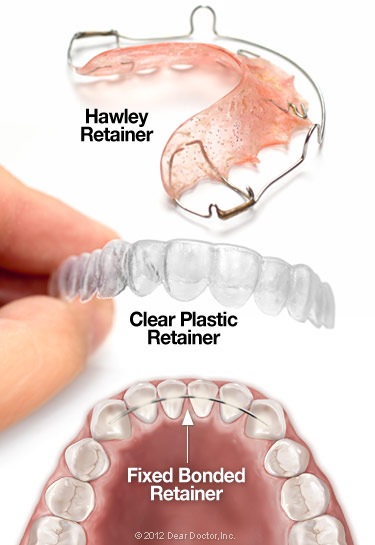
Almost always, the answer is yes: If you don’t wear a retainer, your teeth can rapidly shift out of position — and then all the effort put into your treatment is lost! Your retainer helps you maintain that good-looking smile for a lifetime.

Is orthodontic care very expensive?

Orthodontic care is a long-term investment in your health and well-being. Yet its cost hasn’t increased as fast as many other consumer prices, and many financing options are available that make orthodontic care affordable. Weighed against the true cost of living with problem teeth, however, orthodontic treatment can be a wise investment indeed.

Fillings

Cavity DiagramIf you have never had a cavity, congratulations! If you have had one, you are not alone. About 78% of us have had at least one cavity by the time we reach age 17, according to a 2000 report by the U.S. Surgeon General. Fortunately there’s a time-tested treatment for cavities: the dental filling.

Fillings do just what the name implies — seal a small hole in your tooth, i.e., a cavity, caused by decay. This prevents the decay (a bacteria-induced infection) from spreading further into your tooth and, if untreated, continue on to the sensitive inner pulp (nerve) tissue located in the root canal. Should that happen, you would need root canal treatment.

There are a variety of materials used to fill teeth these days, but the process of filling a tooth is similar regardless. The first step is a clinical exam of the tooth with x-rays, to determine the extent of the decay. Then the decayed area of the tooth is removed, usually with a handheld instrument such as a dental drill. Of course, your tooth will be anesthetized first, so you won’t feel any discomfort. If you normally feel nervous about receiving numbing injections, it’s possible that taking an anti-anxiety medication or using nitrous oxide can help you feel more relaxed. After removing the decay, the remaining tooth structure is roughened or “etched” with a mildly acidic solution; then translucent cement is applied to bond the tooth and the filling material together.

Types of Fillings

There are two broad categories of dental fillings: metal fillings and tooth-colored fillings. Each may offer particular advantages and disadvantages in certain situations.

Metal Fillings

Metal Filling DiagramMetal Filling Example

Amalgam — The classic “silver” filling in use for more than a century, dental amalgam is actually an alloy made up of mercury, silver, tin, and copper. The mercury combines with the other metals in the amalgam to make it stable and safe. These fillings are strong and inexpensive, but also quite noticeable. They also require relatively more tooth preparation (drilling) than other types.

Cast Gold — Among the most expensive restorative dental materials, cast gold combines gold with other metals for a very strong, long-lasting filling. It is also highly noticeable, which can be considered a plus or minus.

Tooth-Colored Fillings

Tooth Colored Filling DiagramTooth Colored Filling Example

Composite — A popular choice for those who don’t want their fillings to show, composite is a mixture of plastic and glass, which actually bonds to the rest of the tooth. Composites are more expensive than amalgam fillings, and the newer materials can hold up almost as long. Less drilling of the tooth is necessary when placing composite as compared to amalgam.

Porcelain — These high-tech dental ceramics are strong, lifelike, and don’t stain as composites can. They are sometimes more expensive than composites because they may require the use of a dental laboratory or specialized computer-generated technology. While considered the most aesthetic filling, they can also, because of their relatively high glass content, be brittle.

Glass Ionomer — Made of acrylic and glass powders, these inexpensive, translucent fillings have the advantages of blending in pretty well with natural tooth color and releasing small amounts of fluoride to help prevent decay. They generally don’t last as long as other restorative materials.

Watch Tooth-Colored Fillings Video

What to Expect After Getting a Filling

The numbness caused by your local anesthesia should wear off within a couple of hours. Until then, it’s best to avoid drinking hot or cold liquids, and eating on the side of your mouth with the new filling. Some sensitivity to hot and cold is normal in the first couple of weeks after getting a tooth filled. If it persists beyond that, or you have any actual pain when biting, it could signal that an adjustment to your filling needs to be made. Continue to brush and floss as normal every day, and visit the dental office at least twice per year for your regular checkups and cleanings. And remember, tooth decay is a very preventable disease; with good oral hygiene and professional care, you can make your most recent cavity your last!